

 BACK
BACK

Wall art pulls a room together, but it also needs a bit of care to keep looking its best. A few small habits, repeated over months and years, can dull colors, warp canvases, or leave pieces damaged in ways that are hard to reverse. Here are the most common mistakes to avoid, and what to do instead.
Hanging Art in Direct Sunlight
Ultraviolet light breaks down pigments over time, whether the piece is a printed canvas, a watercolor, or a photograph. Reds tend to fade first, followed by yellows, and the fading happens so gradually that you often will not notice until you move the piece and see a sharp line between the faded section and the part that was protected. Keep art away from windows that get strong afternoon sun, use UV-filtering glass or acrylic if a bright spot is unavoidable, and consider sheer curtains to cut down on direct exposure.
Ignoring Humidity and Temperature Swings

Canvas expands and contracts with humidity, which loosens the fabric over time and creates a sagging, rippled look. Paper is even more sensitive, since moisture can cause warping, mold, or foxing, those small brown spots that show up on older prints. Rooms with big humidity swings, like a stuffy sunroom or a damp basement, are not ideal spots for art. Aim for 40 to 55 percent relative humidity with stable temperatures, and use a dehumidifier if needed.
Cleaning With the Wrong Products
Grabbing a glass cleaner or an all purpose spray feels harmless, but ammonia based cleaners can cloud acrylic glazing, strip varnish, and damage ink or pigment in ways that cannot be undone. Paper towels are another quiet culprit, since their fibers can scratch glass or acrylic. A dry microfiber cloth is enough for most pieces, and a very lightly dampened cloth works for a deeper canvas clean. Our canvas art at Elephant Stock is printed using giclée technology, which lays down dense, fade-resistant ink, so a dry cloth is genuinely all it needs.
Skipping Regular Dusting
Dust is mildly abrasive, and over months it can dull a canvas or scratch glazing if it gets rubbed in during a rushed cleaning. A quick pass with a soft, dry cloth every couple of weeks keeps most pieces looking sharp. For textured canvases, a soft bristle brush can reach the grooves a cloth might miss. It barely takes any time, but it makes a real difference over the years.
Hanging Art Too Close to Heat Sources

Radiators, fireplaces, and warm air from a floor vent can all quietly stress wall art. Heat dries out canvas and wood frames, leading to cracking or warping, and it speeds up fading since warm air carries more particles that settle on the surface. Leave at least a few feet of distance between art and any consistent heat source, especially above a mantel that gets regular use.
Using the Wrong Hardware
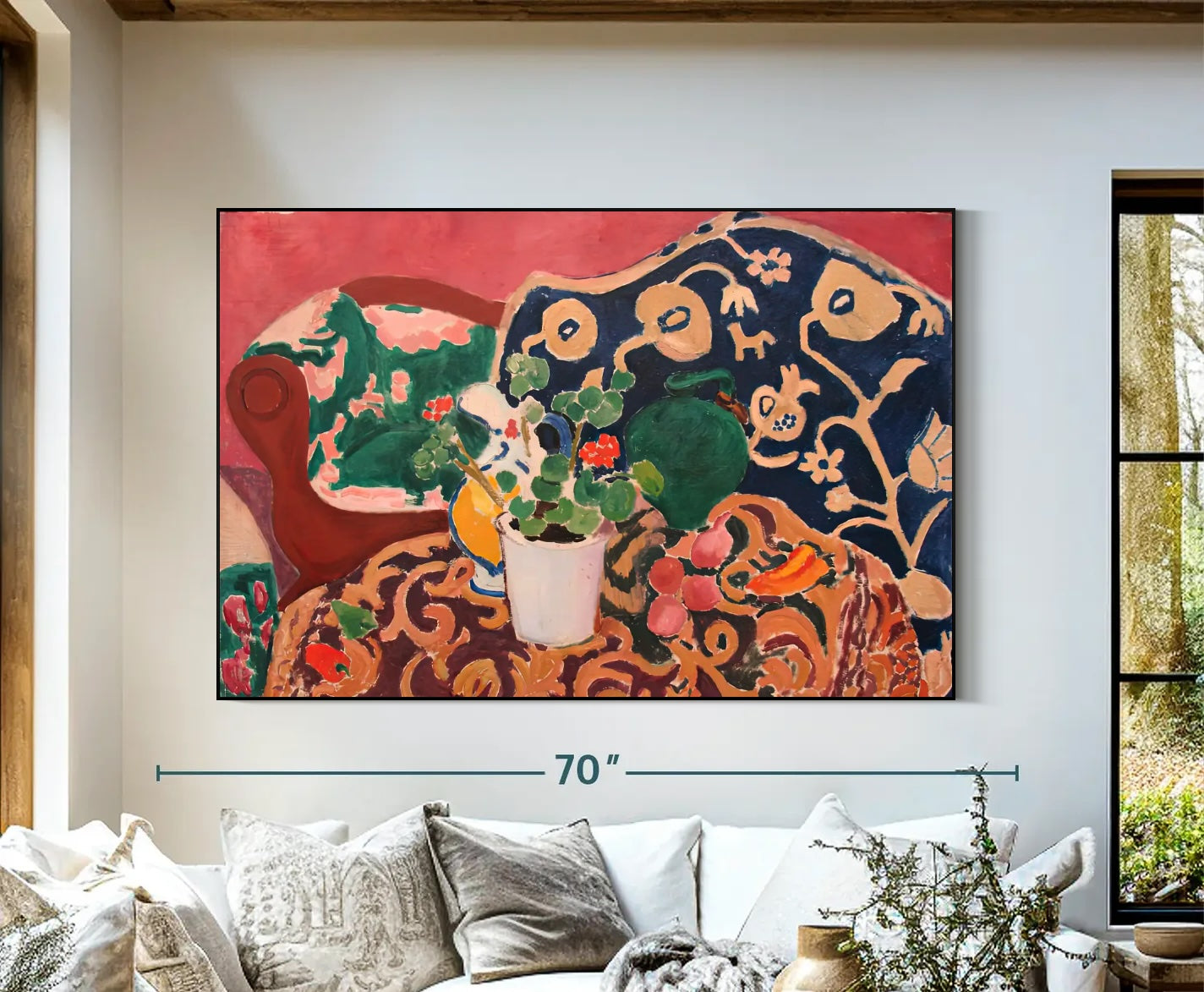
A hook or nail that is not rated for the piece's weight is a common reason frames end up crooked, sagging, or on the floor. Heavier canvases need hardware to match, and drywall needs anchors rather than a bare nail. It is also worth checking the hanging wire or D rings every so often, since wire can stretch and screws can loosen over the years. If you are shopping for something oversized, our large wall art includes pieces with a swappable insert, so you can change the art inside the frame without dealing with new hardware every time your taste shifts.
Touching the Surface With Bare Hands

Skin carries oils, and repeated touching can leave marks on a canvas or transfer grime onto a printed surface, especially during handling or hanging. Grip pieces by the edges or the back of the frame instead of the front. Cotton gloves are a simple habit worth borrowing from galleries if a piece gets moved often, particularly anything with a matte or unglazed surface, which shows fingerprints more easily.
Storing Art Incorrectly
How art is stored between moves or renovations matters as much as how it is displayed. Stacking canvases flat without padding can leave pressure marks, and leaning frames on a concrete floor in a garage or basement exposes them to moisture. Store pieces upright with foam board or bubble wrap between them, and choose a closet or spare room over a garage or attic where temperature swings are extreme.
Overlooking Bathroom and Kitchen Placement
Steam from showers and cooking, along with grease particles near a stove, can settle on a surface in ways that are hard to notice until buildup has already happened. Paper prints without protective glazing are especially vulnerable here. This does not mean avoiding these rooms entirely, just choosing materials carefully. Canvas with a protective coating holds up better than paper, and a bathroom fan used after every shower helps keep humidity in check.
Neglecting the Frame or Canvas Edges
It is easy to focus on the front of a piece and forget that the frame and edges age too. Wood frames can dry out and crack in low humidity, while the raw edges of a gallery wrapped canvas can pick up dust and dings from handling. Check corners and edges the same way you check the front for fading, and a little wood conditioner or a gentle wipe along canvas edges goes a long way.
Choosing Wall Art That Is Easier to Maintain

Some of this care comes down to how a piece is built in the first place, so it is worth checking out our site, Elephant Stock, to see what our products are made of before you buy. Our canvas art uses giclée printing on poplar wood stretcher bars for color that resists fading and a frame that will not warp. Our framed canvas adds a floating frame effect, while our framed art offers a more classic border and frame color options.
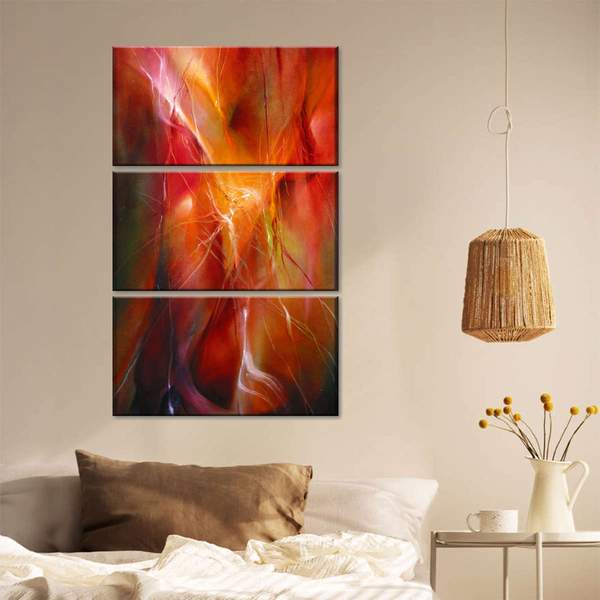
If you like to redecorate often, our large wall art includes oversized pieces with a swappable insert, so you can change the art without replacing the whole frame. For bigger or blank walls, our wall art sets spread the look across multiple smaller, easy to handle panels.
Final Thoughts
None of this requires turning your home into a museum. Wall art is meant to be lived with, not treated like something behind glass you can only look at from a distance.
Most of these mistakes come down to small, forgettable habits rather than anything dramatic, which also makes them easy to fix once you notice them. A little thought about where a piece hangs, what it gets cleaned with, and how it gets handled during a move is usually enough to keep it looking the way it did on day one.

RECENT ARTICLES




CATEGORIES

 GET OUR TIPS!
STRAIGHT TO YOUR INBOX




Follow Us


